Sri Lanka’s NEXT workers seek labour consultation, cost explanation over closure
Thursday May 22, 2025 Economy Next
ECONOMYNEXT – Workers of a NEXT Manufacturing, a firm owned by a UK group said they sought discussion with labour authorities after a sudden closure of the firm which was one of the first foreign investment projects set up when the island went on an export industrialization drive in the late 1970s.
Anto Marcus, Secretary General of the Free Trade Zones & General Services Employees Union said the firm had not consulted the workers as required under a collective agreement.
The management had called worker representatives on Friday May 19 and informed them that the company was shut and will not re-open, over rising costs, he said.
“They did not give an explanation over what the excessive costs are,” Marcus said. “The Board of Investment had given them multiple benefits. So, if they said the costs within the zone were high they should explain what they were.
“We want to know what they are. Also they had not informed the Labour Commissioner before closing the factory.”
Marcus said they had requested a meeting with the commissioner of labour over the matter.
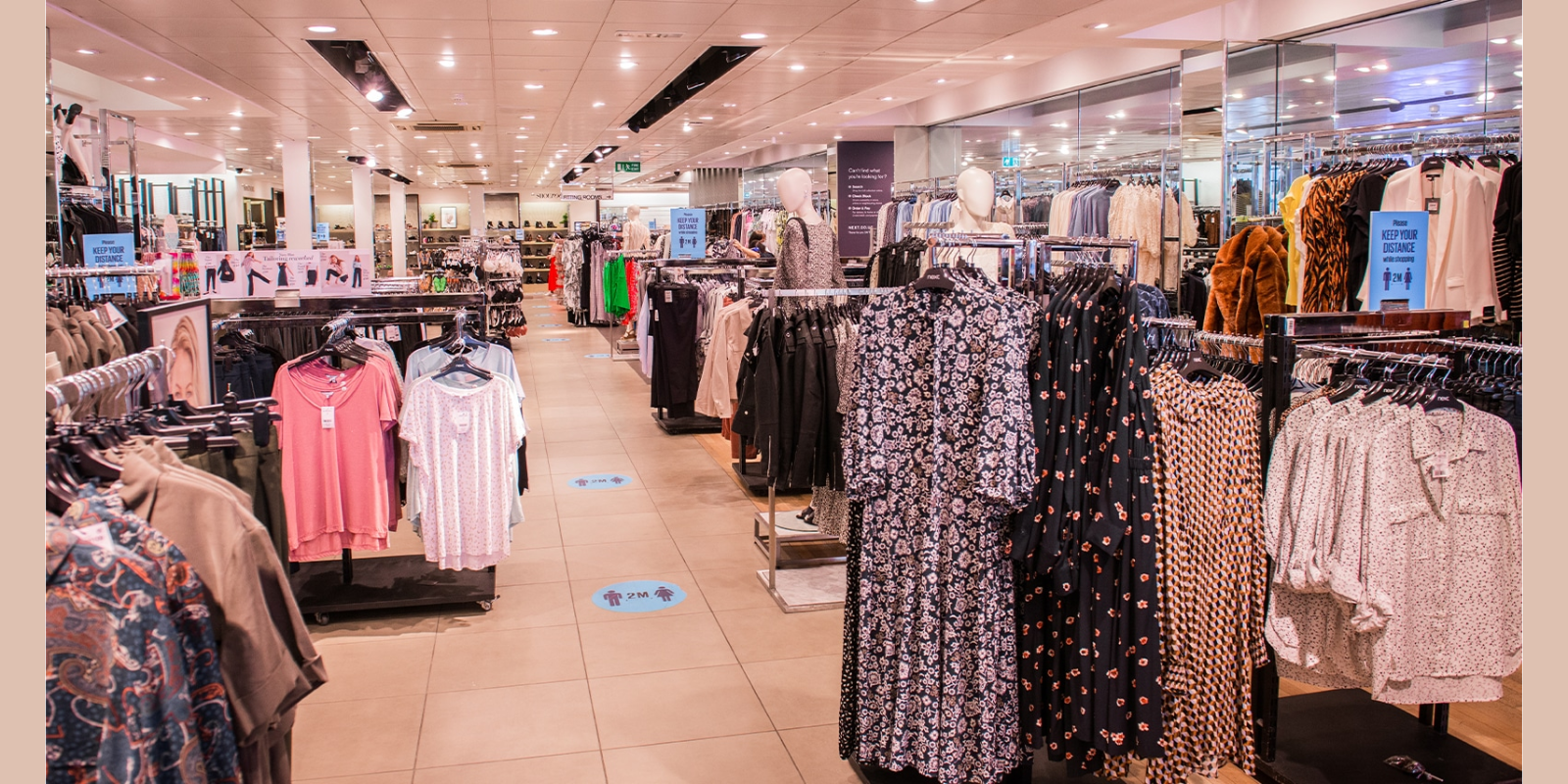
NEXT said in a statement it was closing the Katunayake Free Trade Zone factory while continuing to operate two plants in Andigama and Nawgaththegama would not be closed.
“This has been a very difficult decision for the Company and has been taken after exploring all alternative options,” David Reay, Director said in a statement.
“At the heart of this decision is the increasingly high operating cost of the Katunayake Manufacturing Plant.
Asked whether salaries in the Western Province were higher than other areas, where unemployment was higher, Marcus said some of the benefits given to workers in the zones were not given to rural factories.
Workers in the plant were given meals under a practice started under President Ranasinghe Premadasa and workers also were in lodgings and the company gave transport.
In the other plants, workers largely came to the factory from their own homes, he said. The factory in Katunayake was also air-conditioned, which was pointed out by some in the management, he said.
“Some of the workers had been working for over 20 years more and they had dependents,” Marcus said. “What will happen to them? If this factory is allowed to close, all other factories will also close in the future, saying it was due to President Trump’s tariff problem.”
Meanwhile some industry sources said as a plant directly owned by NEXT, it had come under pressure to give higher wages including through activism in the UK, than other factories leading higher costs than competing countries.
The apparel industry warned recently that it was operating under very thin margins, and would be forced to close factories if a 44 percent Trump tariff went into effect, while competing countries had tariff in the percentage ranges of 20s to 30s.
As a result other apparel factory investors also could not take the factory over as a contract manufacturing operation and run it, forcing a closure.
NEXT said it was paying up to 2.5 million rupees form long service employees under Sri Lanka’s Termination of Employees Act and extra payment of two to seven months on top based on service.
Sri Lankan exporters in the 1980s in particular had sought currency depreciation when the central bank pushed up inflation with open market operations and other devices, which then led to higher wages, under a wage indexing scheme tied to the consumer price index.
Sri Lanka set up free trade zones from the late 1970s as so-called Great Inflation triggered widespread labour unrest in the West and the rest of the world, except Germany and Japan where inflation was better controlled with deflationary policy.
Sri Lanka also saw depreciation and social and labour unrest in the 1980s but trade union activity was banned within the zones at the time. (Colombo/May22/2025)

ஒத்தவை:

சென்ற வாரம் இலங்கை-சண்டே ரைம்ஸ்