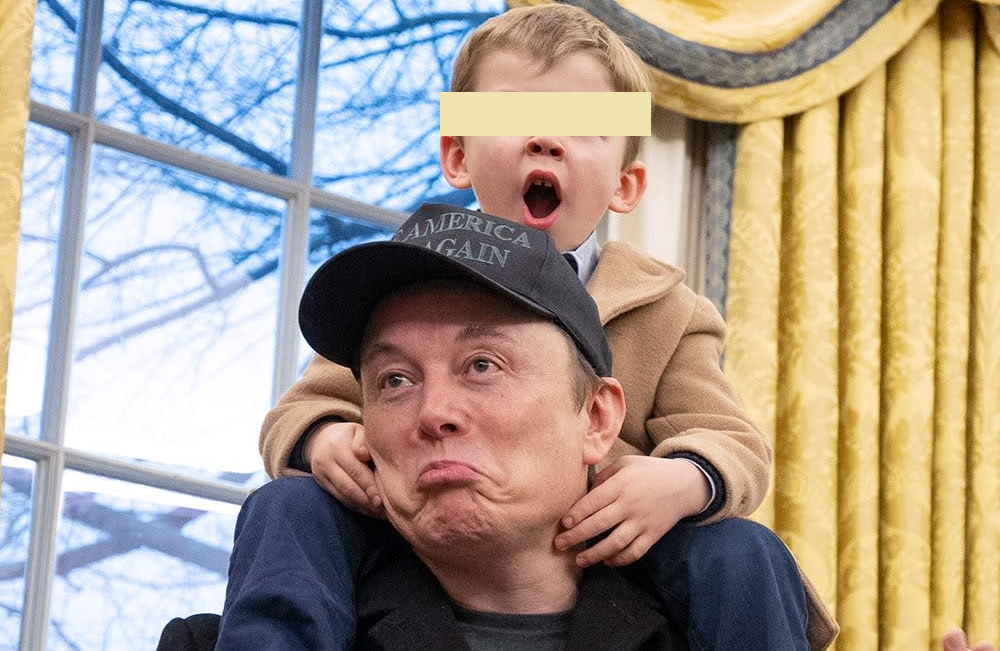
- Return of Donald Trump to the White House
- JD Vance’s speech to the Munich security conference on February 14
- “Liberation day” on April 2
- The bombing of Iran in June finally saw Israel carry through on many years of threats to attack Tehran’s nuclear programme.
- The Gaza peace plan on October 10
- The meeting between Trump and Xi Jinping in Seoul on October 30
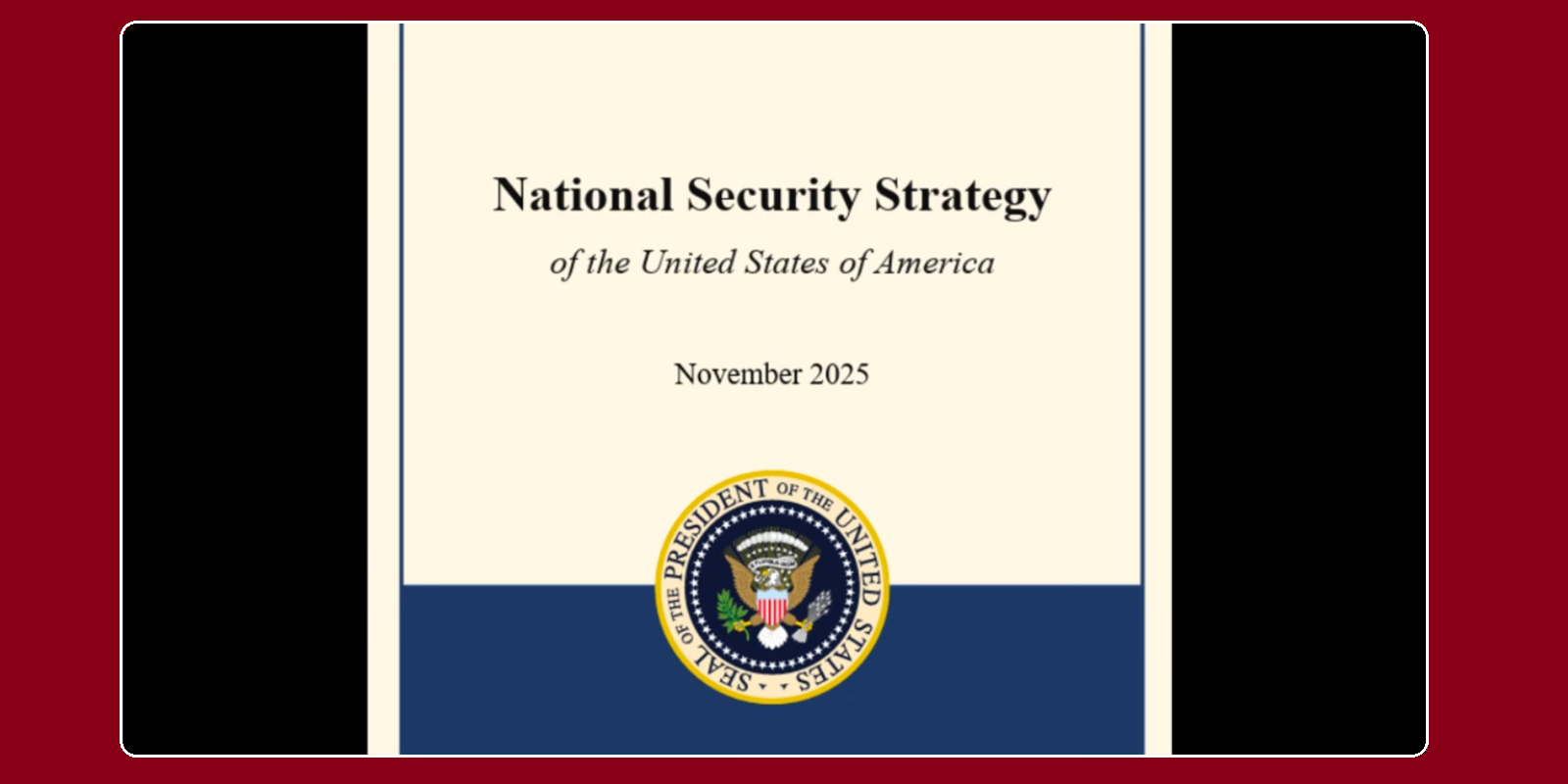
- America’s new national security strategy
The events that defined world politics in 2025
From Vance’s shock Munich speech to the release of the Epstein files, Trump’s return to power has shaped the year
GIDEON RACHMAN FT
International politics in 2025 was dominated by the return of Donald Trump to the White House. But the US president generates such a blizzard of news that it can be hard to remember everything that happened or to gauge its importance. So, looking back on the year, which events stand out as genuinely significant?
JD Vance’s speech to the Munich security conference on February 14 opened up a deep split in the western alliance. Vance’s argument that alleged anti-democratic tendencies in countries like Britain and Germany are more of a threat to freedom in Europe than Russian aggression outraged his audience.
On February 28, the vice-president played a central role in a televised confrontation with President Volodymyr Zelenskyy in the Oval Office. Vance chided the Ukrainian leader for alleged ingratitude, while Trump accused him of “gambling with world war three”. The conversation immediately raised fears that the US was poised to abandon Ukraine and to side with Russia. Although European leaders were able to help repair the relationship between the US and Zelenskyy, the Trump administration did in effect end direct financial and military support for Ukraine.
Any suggestions that Vance’s speech or the Oval Office incident might have been eccentric aberrations were put to rest at the end of the year, with the issuance of America’s new national security strategy, which suggested that mass migration had put Europe at risk of “civilisational erasure” — and called for the US to support “patriotic” (ie far right) parties in Europe.
“Liberation day” on April 2 was when Trump unveiled swingeing tariffs on virtually the entire world, including some uninhabited islands. Although the tariffs were subsequently modified, after a negative reaction in the bond markets, they made it clear that the Trump administration is intent on blowing up the global trading system that it inherited. Any suggestion that US trade policy would be aimed, above all, at isolating China, was ditched as America “tariffed” friend and foe alike.
The four-day conflict between India and Pakistan in May was no border skirmish. Both countries conducted deep strikes on each other’s territory raising fears of what might happen the next time these two nuclear-armed neighbours clash. The aftermath of the conflict also served to sour relations between the Trump administration and New Delhi — largely because India’s government, unlike Pakistan’s, refused to endorse Trump’s claim that he had ended the war (and therefore deserved a Nobel Peace Prize).
The bombing of Iran in June finally saw Israel carry through on many years of threats to attack Tehran’s nuclear programme. The US initially stood aside. But Israel’s early successes and the lack of an effective Iranian response encouraged Trump to order US bombers to go after three nuclear sites. He later claimed that Iran’s nuclear programme had been completely obliterated. Many experts are sceptical.
The implementation of the initial phase of the Gaza peace plan on October 10 attempted to draw a line under the conflict that began after the Hamas attacks on Israel of October 7 2023. The war led to an estimated 70,000 deaths in Gaza and an international backlash against Israel. By the end of the year, doubts about the implementation of the accord were mounting — with little sign that Hamas was prepared to disband or that international peacekeepers would indeed be deployed to Gaza, as the plan foresaw.
The meeting between Trump and Xi Jinping in Seoul on October 30 marked a de-escalation in the US-China trade war. The true significance of the accord, however, was that China’s grip over the global supply of rare earths and critical minerals — inputs that are crucial for western industry — had forced the US to scale back its tariffs. The knowledge that the rare earths card can be played again, at any time, hands China a significant advantage in the US-China rivalry.
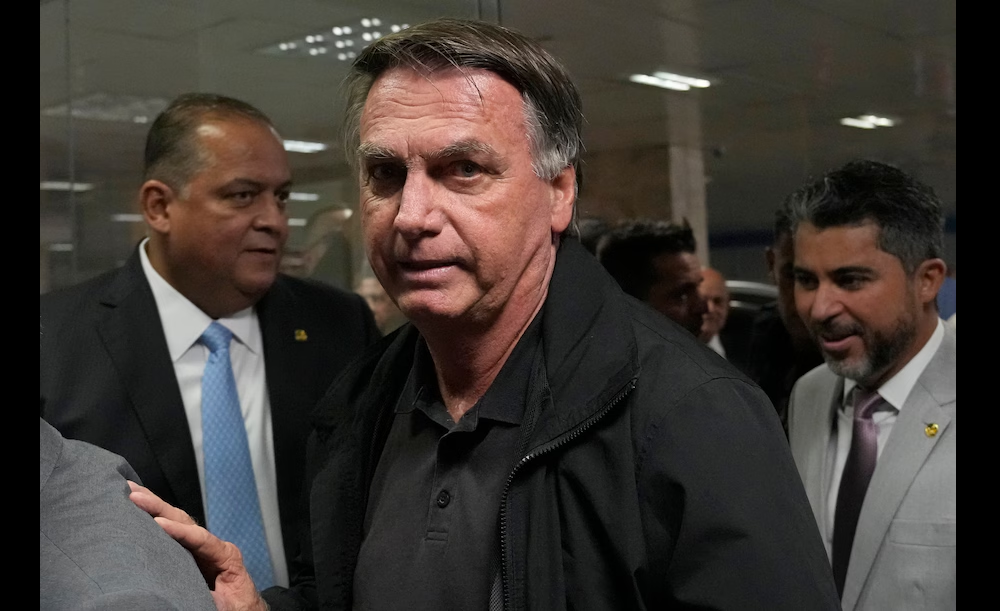
Not everything significant that happened in 2025 involved Trump — at least not directly. The arrest of Rodrigo Duterte, the former president of the Philippines, in March and the imprisonment of Jair Bolsonaro, the former president of Brazil, in late November — demonstrated that strongmen can still be held to account for their actions. Brazil’s legal system was robust enough to imprison a former president for encouraging an attempted coup, after losing an election. Duterte’s extradition to The Hague to stand trial for crimes against humanity, committed during his “war on drugs”, demonstrated that the International Criminal Court still has teeth. The case will no doubt register with Benjamin Netanyahu and Vladimir Putin, both of whom have been charged by the ICC.
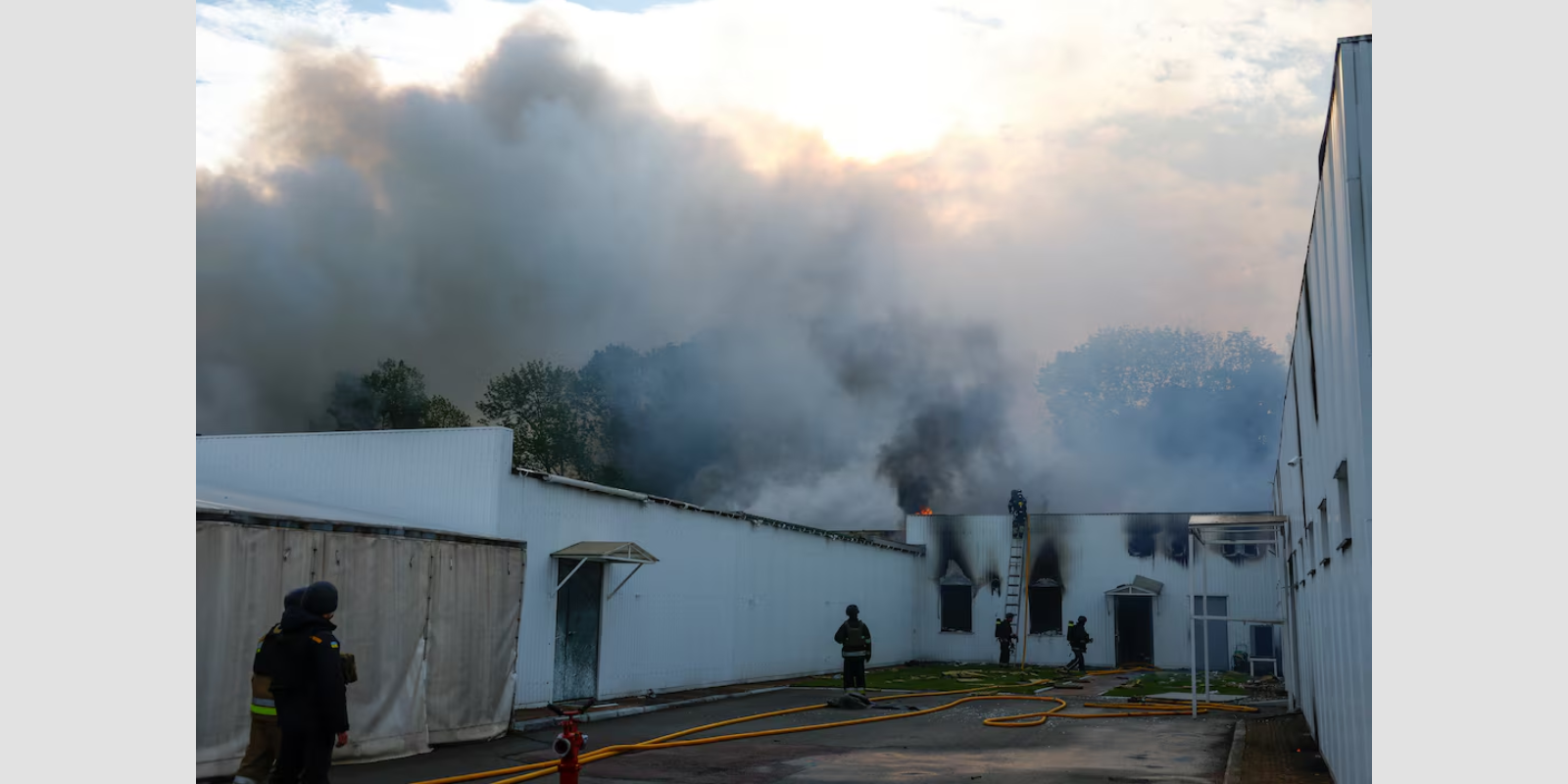
The ICC has also announced that it is investigating possible war crimes carried out by the Rapid Support Forces militia in the Sudanese town of el-Fasher in October. The RSF, which is widely believed to be supplied by the United Arab Emirates, is thought to have massacred many thousands of people when it over-ran the town.
The partial release of FBI files in the Jeffrey Epstein case in December ended the year on a bad note for Trump. The US president had fought hard to prevent the release of the files, before being compelled to do so by Congress. The mentions of Trump in the files — combined with heavy redactions — have led to cries of a cover-up and ensured that the scandal will continue into 2026. Could this be Trump’s Watergate?